Your shopping cart
😊 Product added to cart successfully
Product removed to cart successfully



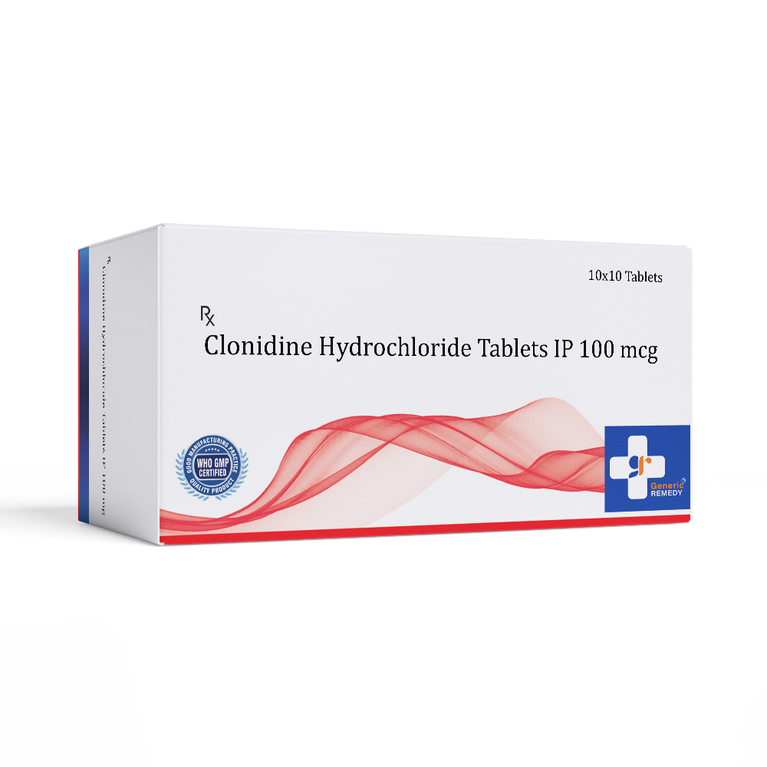
10 tablets in 1 strip
(Inclusive of all taxes)

Prescription Required
Couldn't load pickup availability
Free shipping on orders above ₹300, shipped within 2 days of your order.

Product Description
Clonidine Tablets IP 100 mcg belong to a class of medicines called centrally acting alpha-2 adrenergic agonists, primarily used to manage high blood pressure (hypertension). They may also be used alone or in combination with other medications to treat attention-deficit hyperactivity disorder (ADHD) in children aged 6 years and older. Additional uses include migraine prophylaxis, prevention of menopausal hot flushes, and management of certain pain conditions (e.g., post-operative, neuropathic, or chronic pain, often off-label).
Clonidine works by stimulating alpha-2 receptors in the brainstem, which reduces sympathetic nervous system activity, leading to relaxation and widening of blood vessels. This makes it easier for the heart to pump blood, lowers blood pressure, and reduces the risk of heart attack or stroke. For ADHD, it helps modulate brain activity to improve attention and reduce impulsivity.
Take Clonidine Tablets IP 100 mcg as prescribed by your doctor, based on your condition. Common side effects include headache, tiredness (fatigue), dry mouth, weakness, nausea, vomiting, diarrhea, and constipation. These usually resolve on their own, but consult your doctor if they persist or worsen.
Regular monitoring of blood pressure, heart rate, electrolyte levels, and kidney function is recommended. Inform your doctor if you are pregnant (FDA pregnancy category C; use only if benefits outweigh risks), breastfeeding (may pass into breast milk), or have heart, kidney, or liver issues. Not recommended for children under 6 years. Avoid alcohol, as it may worsen side effects like drowsiness. Disclose all medications to avoid interactions.
Uses
Treatment of hypertension (high blood pressure)
Management of ADHD in children aged 6 years and older (as adjunct therapy)
Prevention of migraine headaches
Relief of menopausal hot flushes
Management of post-operative, neuropathic, or chronic pain (off-label)
How it works
Clonidine Tablets IP 100 mcg act on alpha-2 adrenergic receptors in the central nervous system (brainstem), inhibiting the release of norepinephrine. This decreases sympathetic outflow, resulting in vasodilation (widening of blood vessels), reduced heart rate, and lowered blood pressure. For ADHD, it normalizes noradrenergic activity in the prefrontal cortex, improving focus and impulse control. Overall, it reduces cardiovascular strain and helps prevent complications like stroke or heart attack.
Benefits
Effectively lowers high blood pressure, reducing the risk of heart attack, stroke, and kidney damage
Improves ADHD symptoms (e.g., hyperactivity, inattention) in children when used as part of a comprehensive treatment plan
Prevents or reduces the frequency and severity of migraine attacks and menopausal hot flushes
Provides relief from certain chronic or neuropathic pain by modulating pain signals in the central nervous system
Can be used alone or with other antihypertensives for better control; non-addictive and suitable for long-term use under supervision
How to use
Side Effects
Safety Advice
Avoid alcohol while taking Clonidine Tablets IP 100 mcg, as it can increase drowsiness, dizziness, and low blood pressure.
Use during pregnancy only if necessary; consult your doctor, as it may affect fetal development. It is excreted in breast milk—discuss alternatives if breastfeeding.
Dose adjustment may be needed in patients with kidney impairment (reduced clearance) or liver disease (monitor closely). Inform your doctor of any such conditions.
Do not stop suddenly; abrupt withdrawal can cause rebound hypertension, anxiety, tremors, or rapid heart rate. Taper gradually over several days.
Caution in elderly patients or those with heart conditions, as it may cause bradycardia or orthostatic hypotension (dizziness upon standing).
Inform your surgeon before procedures, as clonidine can interact with anesthetics. Avoid activities requiring alertness until effects are known.
Storage Conditions
Store at temperatures below 30°C (86°F).
FAQs
What is the use of Clonidine Tablets IP 100 mcg?
They are used to treat hypertension, ADHD in children over 6 years, prevent migraines and menopausal hot flushes, and manage certain pain conditions.
How does Clonidine Tablets IP 100 mcg work?
It stimulates central alpha-2 receptors to reduce sympathetic activity, widening blood vessels to lower blood pressure, and modulating brain signals for ADHD and pain relief.
Do Clonidine Tablets IP 100 mcg cause dry mouth?
Yes, dry mouth is common. Stay hydrated, chew sugar-free gum, limit caffeine/alcohol, and avoid smoking to stimulate saliva production.
Can I stop taking Clonidine Tablets IP 100 mcg on my own?
Please do not stop taking Clonidine Tablets IP 100 mcg without consulting your doctor, as it may lead to a rise in blood pressure. Continue taking Clonidine Tablets IP 100 mcg for as long as your doctor has prescribed it to you. Do not be reluctant to speak with your doctor if you experience any difficulty while taking Clonidine Tablets IP 100 mcg.
Do Clonidine Tablets IP 100 mcg cause diarrhoea?
Diarrhea may occur. Drink plenty of fluids, eat bland foods, and avoid anti-diarrheal meds without advice. Seek medical help if severe or if blood is present in the stools.
Do I need to inform the doctor that I am using Clonidine Tablets IP 100 mcg before undergoing surgery?
Yes, inform your doctor or surgeon. You can take it up to 4 hours before surgery, but avoid it within 4 hours prior; resume immediately after if advised.
I am taking heart rate-controlling medicines. Can I use Clonidine Tablets IP 100 mcg with them?
Use caution with drugs like digoxin, beta-blockers (e.g., diltiazem, verapamil), or epinephrine, as they may excessively slow the heart rate. Consult a cardiologist before combining.
 Manufacturer Name:
 M.B.C Industries
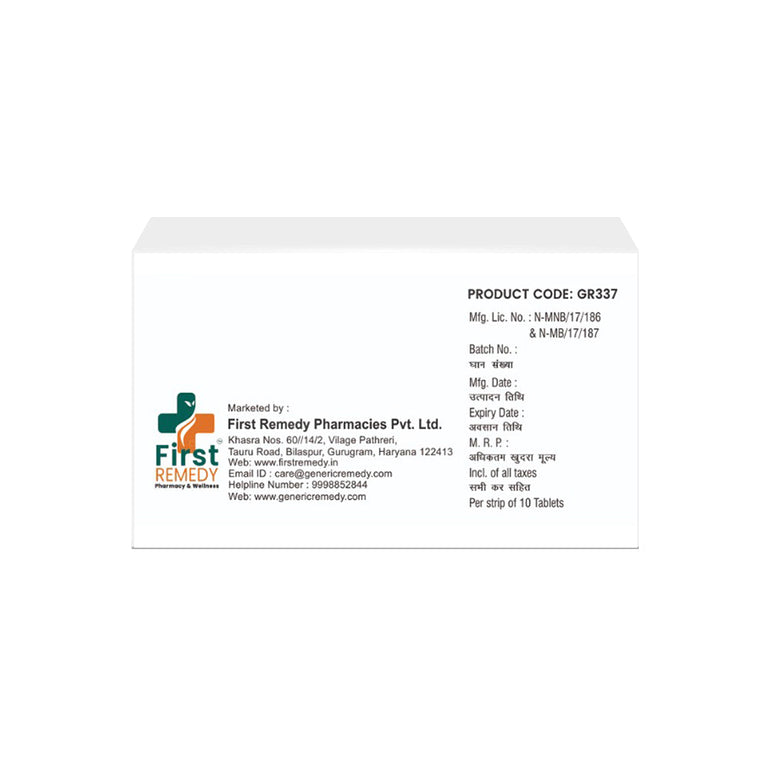
Marketed by: First Remedy Pharmacies Private Limited
The information provided on this website is for general informational purposes only and is not intended as a substitute for professional medical advice, diagnosis, or treatment. Always consult with a physician or qualified healthcare provider for any medical concerns. Never disregard professional advice or delay seeking it based on the information you read here.