Your shopping cart
😊 Product added to cart successfully
Product removed to cart successfully



100ml in 1 bottle
(Inclusive of all taxes)

Prescription Required
Couldn't load pickup availability
Free shipping on orders above ₹300, shipped within 2 days of your order.

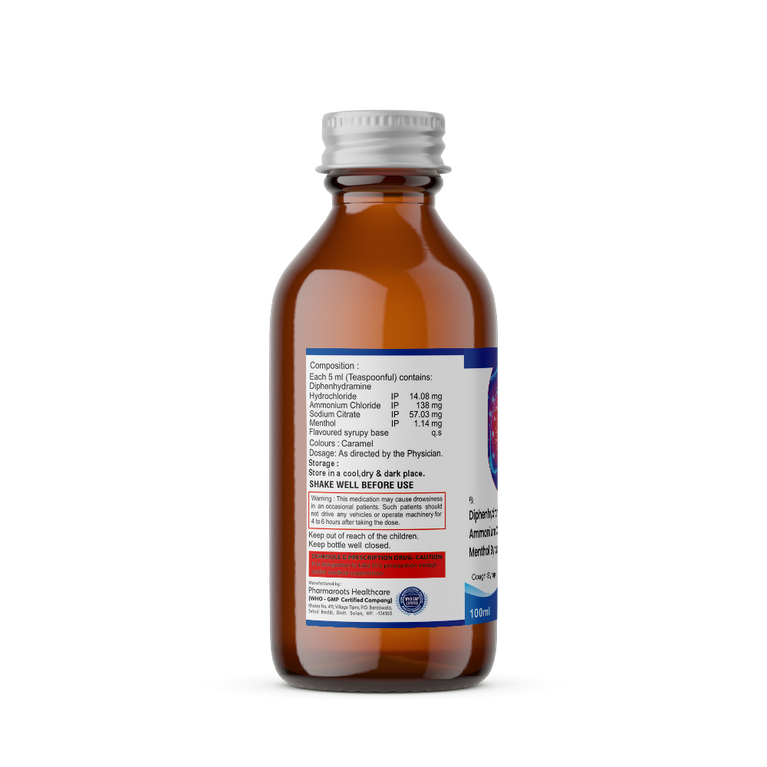
Product Description
Diphenhydramine 14.08 mg, Ammonium Chloride 138 mg, Sodium Citrate 57.03 mg, and Menthol 1.14 mg Cough Syrup IP (100 mL) is an oral combination formulation for symptomatic relief of dry, non-productive cough and associated upper respiratory symptoms from the common cold, allergies, or irritants. Diphenhydramine acts as an antihistamine and antitussive, ammonium chloride and sodium citrate as expectorants to aid mucus clearance, and menthol as a soothing demulcent. It alleviates runny/stuffy nose, sneezing, watery eyes, throat irritation, and congestion without antibiotics (not for bacterial infections). Shake well before use; prescription or OTC in some markets, but consult a doctor for children/elderly.
Use
Symptomatic treatment of dry or irritant cough (non-productive) due to common cold, viral upper respiratory infections, or allergies
Relief of allergic rhinitis symptoms: Runny/stuffy nose, sneezing, watery eyes, and post-nasal drip-induced cough
Adjunctive management of mild bronchitis or environmental irritants (e.g., smoke, dust) to ease expectoration and soothe airways
Not indicated for productive/wet cough with fever (may suppress clearance), whooping cough, asthma, or chronic conditions like COPD—seek medical evaluation for persistent symptoms (>7 days)
How it works
This syrup provides multi-targeted symptomatic relief through its components:
Diphenhydramine (14.08 mg/5 mL): A first-generation H1-antihistamine that blocks histamine receptors in the respiratory tract, reducing allergic responses (e.g., sneezing, rhinorrhea). It also suppresses the medullary cough center in the brain, decreasing cough reflex sensitivity. Sedative effects may aid sleep disrupted by a cough. Onset: 15–30 minutes; duration 4–6 hours.
Ammonium Chloride (138 mg/5 mL): An expectorant that irritates the gastric mucosa and stimulates bronchial secretions via reflex, increasing airway fluid volume to hydrate and loosen sticky mucus for easier expectoration.
Sodium Citrate (57.03 mg/5 mL): An alkalizing expectorant that buffers acidic mucus secretions, reducing viscosity and promoting liquefaction in the airways, facilitating clearance from the nose, throat, and lungs.
Menthol (1.14 mg/5 mL): A topical anesthetic and counterirritant that provides a cooling sensation on mucous membranes, soothing throat irritation, and reducing the urge to cough.
Synergy: Suppresses cough while aiding mucus removal; non-narcotic, suitable for short-term use (3–7 days).
Benefits
Multi-symptom relief: Effectively reduces cough frequency (by 40–60% in acute cold trials), allergy symptoms (e.g., nasal congestion score drop 30–50%), and throat discomfort, improving sleep and daily comfort.
Promotes airway clearance: Expectorants hydrate/loosen mucus, preventing buildup in dry coughs or mild bronchitis, without drying effects of pure antihistamines.
Soothing and non-addictive: Menthol's cooling action eases irritation; overall formula avoids opioids, minimizing dependency risk.
Convenient for acute use: Rapid onset for cold/allergy episodes; well-tolerated in adults/children >6 years, supporting faster recovery when combined with hydration/rest.
How to use
This cough syrup should be used according to the directions provided by a healthcare professional or the product label, and the prescribed dose orally. Always shake the bottle thoroughly before each dose to ensure the ingredients are evenly mixed. The syrup can generally be taken with or without food. Taking it with food may help prevent stomach upset.
Side Effects
Common side effects (primarily from diphenhydramine; mild and dose-related):
Central nervous system: Drowsiness/sedation, dizziness, impaired coordination
Anticholinergic: Dry mouth, nose, throat; thickened mucus (paradoxical in some)
Gastrointestinal: Nausea, vomiting, stomach pain
Less common/rare but serious side effects (seek immediate medical attention):
Allergic: Rash, itching, swelling (anaphylaxis)
Neurological: Headache, nervousness, excitability (paradoxical in children), confusion (elderly)
Respiratory: Worsened wheezing (in asthmatics)
Other: Urinary retention, blurred vision; overdose risks (hallucinations, seizures)
Side effects often lessen with continued use; avoid in hot weather (worsens dry mouth).
Safety Advice
Contraindicated in: Hypersensitivity to antihistamines, narrow-angle glaucoma, urinary retention, MAO inhibitor use (within 14 days—serotonin syndrome risk), or severe respiratory depression. Avoid in newborns/preterm infants.
Use caution in: Asthma/COPD (may thicken secretions), elderly (increased sedation/falls), prostate enlargement (urinary issues), or hyperthyroidism. Not for long-term use without oversight.
Pregnancy/breastfeeding: Category B (diphenhydramine—crosses placenta, limited data; may cause neonatal sedation); use only if benefits outweigh risks (e.g., severe allergies). Excreted in milk—monitor infant for drowsiness; prefer alternatives.
Monitoring: Watch for sedation or worsening cough; reassess if no improvement in 3–5 days.
Interactions: Potentiates CNS depressants (e.g., alcohol, sedatives—increased drowsiness; avoid alcohol); anticholinergics (worsens dry mouth); avoid duplicate antihistamine products (overdose risk). Inform the doctor of all medications/supplements/herbs.
Lifestyle: Avoid driving/operating machinery if drowsy; stay hydrated to counter dry mouth. Not a substitute for treating underlying causes (e.g., antibiotics for bacterial infection). Limit to temporary relief—see doctor for fever/rash.
Storage Conditions
Store at a temperature below 86°F (30 °C). Protect from light and moisture.
FAQs
Can I become drowsy from taking this?
Yes, the Diphenhydramine in the syrup can cause drowsiness or sleepiness. You should avoid driving, operating heavy machinery, or doing other tasks that require mental alertness until you know how the medication affects you.
Can I take other medications with this syrup?
It is crucial to inform your doctor about any other medications you are taking, including herbal or non-prescription medicines, to avoid potential interactions. You should also avoid other cough, cold, and allergy products that contain similar ingredients to prevent an accidental overdose. This syrup should not be combined with MAO inhibitors.
Is it safe to use this syrup during pregnancy or while breastfeeding?
This medication is generally not recommended during pregnancy or breastfeeding. Diphenhydramine can pass into breast milk and may harm the baby. It is essential to consult with a doctor to discuss the risks and benefits.
What should I do if my symptoms do not improve?
If your cough persists for more than a week, recurs, or is accompanied by a fever, rash, or persistent headache, stop taking the syrup and consult a doctor.
What about dental health?
Cough syrups and lozenges, which often contain sucrose, high fructose corn syrup, citric acid, and alcohol, can increase the risk of tooth decay. To protect your teeth, consider taking the medication with meals, brushing your teeth after swallowing, or using a pill form of the medicine if available.
 Manufacturer Name:
 Pharmaroots Healthcare
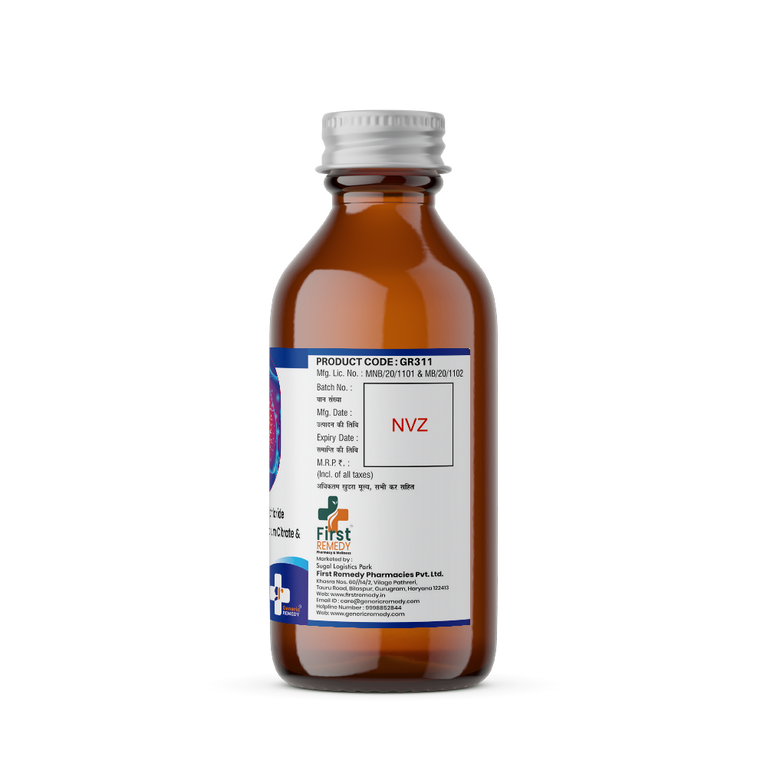
Marketed by: First Remedy Pharmacies Private Limited
The information provided on this website is for general informational purposes only and is not intended as a substitute for professional medical advice, diagnosis, or treatment. Always consult with a physician or qualified healthcare provider for any medical concerns. Never disregard professional advice or delay seeking it based on the information you read here.