Your shopping cart
😊 Product added to cart successfully
Product removed to cart successfully



10 tablets in 1 strip
(Inclusive of all taxes)

Prescription Required
Couldn't load pickup availability
Free shipping on orders above ₹300, shipped within 2 days of your order.
Product Description
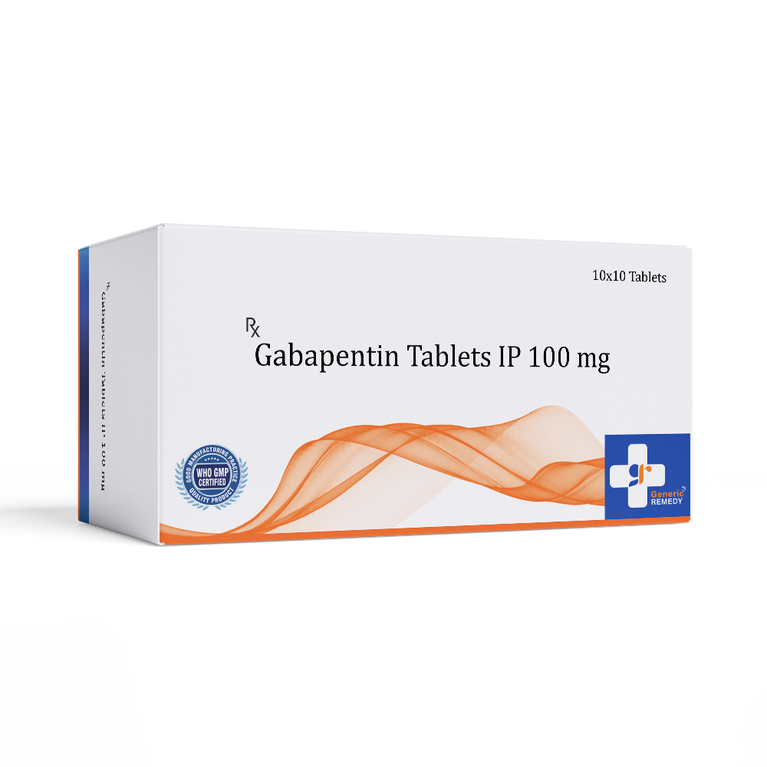
Gabapentin 100 mg tablets belong to a class of medications called anticonvulsants, used to manage or prevent neuropathic pain and epilepsy. It is also sometimes prescribed for migraine headaches. Neuropathic pain is a chronic condition caused by nerve damage, resulting in persistent nerve pain. Epilepsy is a neurological disorder characterized by abnormal electrical activity in the brain, leading to seizures.
Gabapentin works by binding to specific sites on voltage-gated calcium channels in nerve cells, which helps relieve nerve pain and reduce the risk of seizures. It decreases the number of pain signals transmitted by damaged nerves to the brain.
Uses
Treatment of neuropathic pain
Management of epilepsy (seizure control)
How it works
Gabapentin binds to voltage-gated calcium channels on nerve cells, reducing excitability and the transmission of pain signals from damaged nerves. In epilepsy, it helps control seizures by stabilizing abnormal electrical activity in the brain.
Benefits
Effective in reducing neuropathic pain caused by nerve damage
Helps prevent seizures in epilepsy patients
May also be used for fibromyalgia and migraine prevention (off-label)
Reduces nerve pain by interfering with pain signal transmission between nerves and the brain
How to use
Tablet/Capsule: Swallow whole with water; do not crush, break, or chew.
Oral Solution/Suspension: Shake the bottle well before use. Take the prescribed dose using the measuring cup provided.
Side Effects
Drowsiness or sleepiness
Fatigue or dizziness
Nausea and vomiting
Diarrhea
Increased susceptibility to infections
Mood changes
Swelling of arms and legs
Blurred vision
Dry mouth
Erectile dysfunction in men
Weight gain
Increased appetite
Memory problems
Headaches
Safety Advice
Avoid alcohol while taking Gabapentin, as it may worsen side effects such as dizziness and drowsiness.
Gabapentin is classified as a pregnancy category B1 drug. Consult your doctor before use during pregnancy. Your doctor will weigh the benefits and risks before prescribing.
Do not stop the medication abruptly without consulting your doctor to avoid withdrawal symptoms.
Inform your doctor if you experience mood changes or signs of allergic reactions.
Storage Conditions
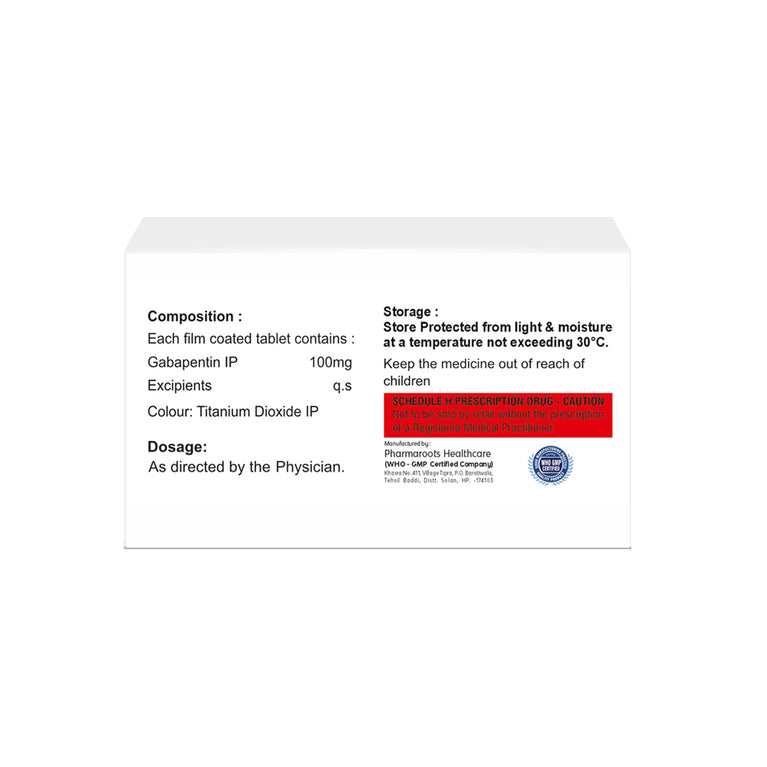
Store at room temperature, ideally between 20°C and 25°C (68°F to 77°F).
FAQs
What is the use of a Gabapentin 100 tablet?
It is prescribed for epilepsy and neuropathic pain management.
How does a Gabapentin 100 tablet work?
It reduces abnormal electrical activity in the brain to control seizures and blocks pain signals from damaged nerves.
Can I drive while taking a Gabapentin 100 tablet?
Avoid driving or operating machinery if you experience dizziness, drowsiness, or blurred vision.
What are the most common side effects of the Gabapentin 100 tablet?
Dizziness, blurred vision, weight gain, sleepiness, difficulty concentrating, swelling, and dry mouth.
Can Gabapentin 100 tablets cause weight gain?
Yes, it may increase appetite, leading to weight gain. Maintaining a healthy diet and exercise can help manage this.
Will I become addicted to Gabapentin 100 tablets?
Some people may develop physical dependence with long-term use. Withdrawal symptoms can occur if stopped abruptly. Consult your doctor if concerned.
 Manufacturer Name:
 Pharmaroots Healthcare
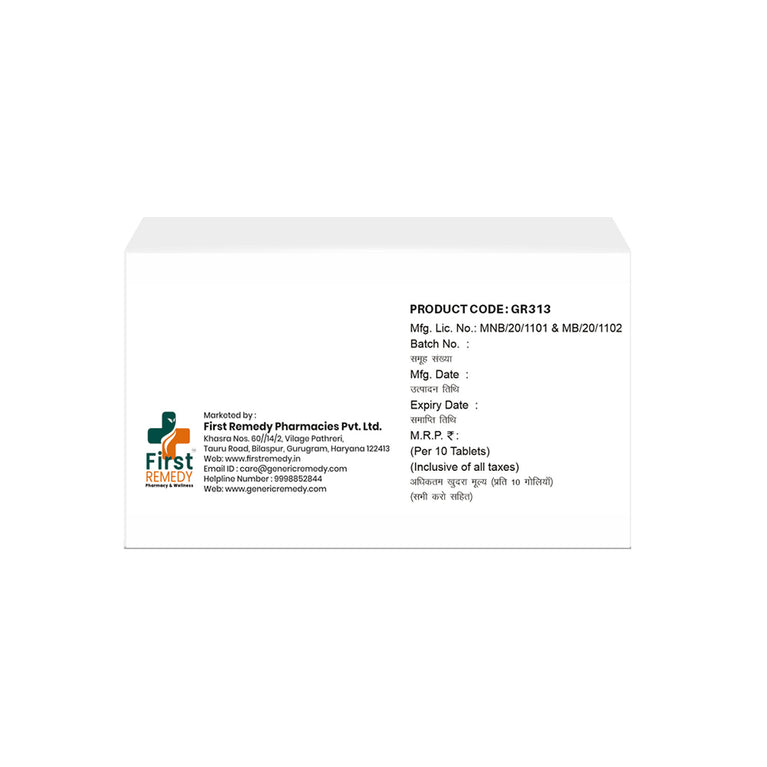
Marketed by: First Remedy Pharmacies Private Limited
The information provided on this website is for general informational purposes only and is not intended as a substitute for professional medical advice, diagnosis, or treatment. Always consult with a physician or qualified healthcare provider for any medical concerns. Never disregard professional advice or delay seeking it based on the information you read here.