
Your shopping cart
😊 Product added to cart successfully
Product removed from cart successfully


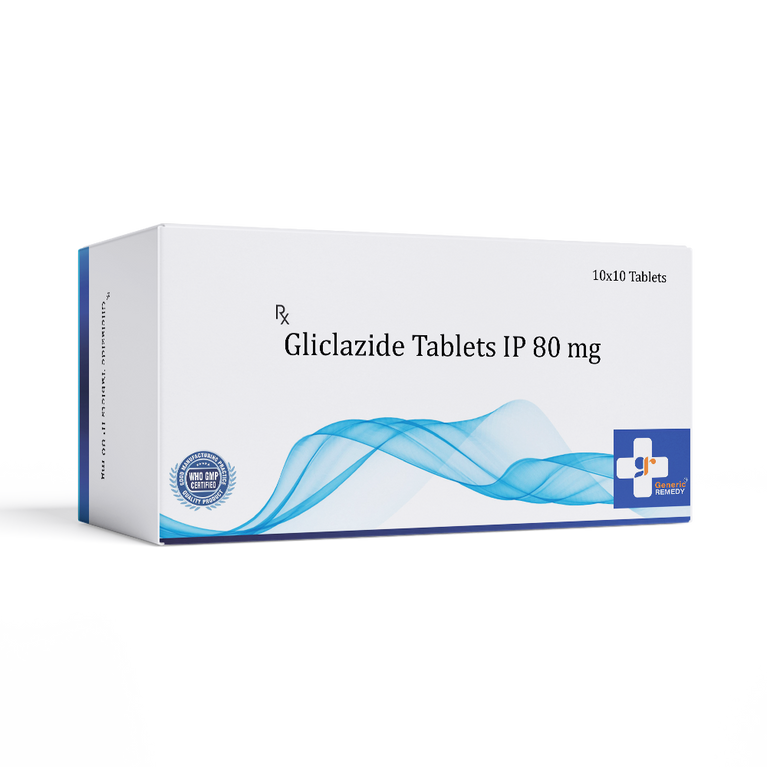
10 tablets in 1 strip
(Inclusive of all taxes)

Prescription Required
Couldn't load pickup availability
Free Shipping on your First Order above ₹199, Delivery within 3–5 days of your order.
Product Description
Gliclazide Tablets IP 80 mg is a prescription medication from the sulfonylurea class, used to manage high blood sugar levels in adults with type 2 diabetes mellitus.
It works by stimulating insulin release from the pancreas, helping to control blood glucose when diet, exercise, and weight management alone are insufficient.
Type 2 diabetes is a chronic condition where the body either resists insulin or doesn't produce enough, leading to elevated blood sugar. If unmanaged, it can result in complications like heart disease, nerve damage, or kidney issues. Edema (fluid retention) is not a direct symptom of diabetes but can occur in related conditions; this medication focuses on glycemic control.
Uses
Management of type 2 diabetes mellitus in adults, to help lower blood sugar levels when lifestyle changes (e.g., diet and exercise) are not enough.
Adjunctive therapy to improve glycemic control and reduce the risk of diabetes-related complications, such as cardiovascular events or neuropathy.
How it works
Gliclazide Tablets IP 80 mg contains gliclazide, a sulfonylurea that stimulates the beta cells in the pancreas to release more insulin. It binds to ATP-sensitive potassium channels on these cells, closing the channels and triggering insulin secretion. This increases insulin levels, which helps lower blood glucose by promoting glucose uptake into cells and reducing hepatic glucose production. Unlike some other antidiabetics, it does not directly affect insulin sensitivity but enhances the body's natural insulin response. The onset of action is typically 1–2 hours, with effects lasting up to 24 hours, and it is metabolized in the liver with renal excretion.
Benefits
Effective blood sugar control: Helps achieve and maintain target glucose levels, reducing HbA1c by 1–2%, thus lowering the risk of complications like retinopathy or nephropathy.
Insulin stimulation: Provides reliable glycemic management, especially in early-stage type 2 diabetes, when combined with lifestyle modifications.
Convenient dosing: Once- or twice-daily tablets improve adherence for long-term use, with studies showing sustained benefits in reducing fasting and post-meal blood sugar.
How to use
Take Gliclazide Tablets IP 80 mg exactly as prescribed by your doctor, usually with meals to reduce the risk of low blood sugar (hypoglycemia). Swallow the tablet whole with water; do not crush, break, or chew it. Start with the lowest effective dose, and your doctor may adjust it based on blood sugar monitoring. Always follow a diabetic diet and exercise plan alongside this medication. If you miss a dose, take it as soon as you remember, unless it's near the next dose—do not double up.
Side Effects
Common side effects (often dose-related and manageable):
Metabolic: Hypoglycemia (low blood sugar), with symptoms like sweating, shakiness, confusion, or hunger.
Gastrointestinal: Stomach pain, indigestion, nausea, vomiting, diarrhea, or constipation.
Neurological: Headache, dizziness.
Other: Weight gain, rashes, or itching.
Seek medical help if side effects persist or include severe hypoglycemia, as it can be life-threatening.
Safety Advice
Alcohol Interaction: Avoid alcohol, as it can increase the risk of hypoglycemia and worsen side effects like dizziness.
Pregnancy and Breastfeeding: Classified as Pregnancy Category C (animal studies show potential risks, and human data are limited), so use only if the benefits outweigh risks. It is not recommended during pregnancy due to potential fetal harm; consult your doctor if pregnant or breastfeeding, as it may pass into breast milk.
Other Precautions: Use with caution in patients with liver or kidney diseases, as dose adjustments may be needed (e.g., reduction in renal impairment). Monitor for hypoglycemia regularly, especially in the elderly or those on other antidiabetics. Inform your doctor of all medications to avoid interactions (e.g., with beta-blockers or sulfonamides). Not suitable for type 1 diabetes or diabetic ketoacidosis. Regular blood tests (e.g., for kidney function and blood sugar) are advised.
Lifestyle Advice: Follow a balanced diet, monitor blood sugar frequently, and engage in regular physical activity. Do not drive if experiencing hypoglycemia symptoms.
Storage Conditions
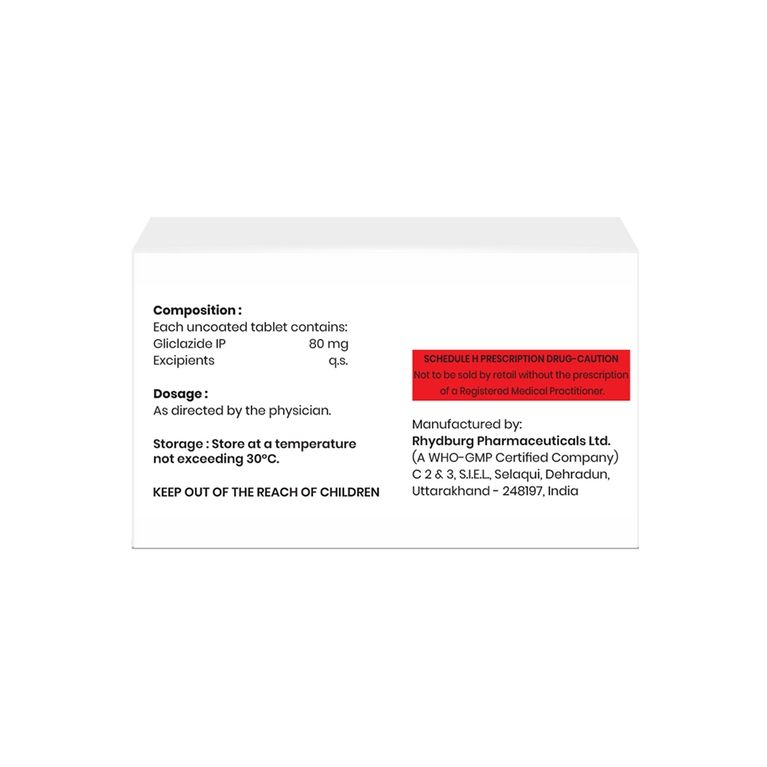
Store at a temperature below 86°F (30 °C). Protect from light and moisture.
FAQs
When should Gliclazide be taken?
Gliclazide is typically taken orally with food, often before meals. Taking it with meals helps minimize the risk of low blood sugar (hypoglycemia). Your doctor will provide specific instructions for the optimal dosage and timing for your condition.
What happens if a dose is missed?
If you miss a dose, take it as soon as you remember. If it's almost time for your next dose, skip the missed dose and continue your regular schedule. Do not take a double dose to make up for a missed one, as this can cause low blood sugar.
What are the common side effects?
Hypoglycemia (low blood sugar)
Stomach pain or indigestion
Nausea, vomiting, or diarrhea
Headache
Dizziness
What should be done for low blood sugar (hypoglycemia)?
Hypoglycemia is the most common side effect. If you experience symptoms like shakiness, sweating, dizziness, or confusion, immediately consume a fast-acting source of sugar, such as glucose tablets, fruit juice, or candy.
Is Gliclazide safe during pregnancy and breastfeeding?
No, Gliclazide is not recommended during pregnancy or breastfeeding. It may harm the fetus or be passed into breast milk. Consult your doctor if you are pregnant, planning to become pregnant, or breastfeeding.
Can alcohol be consumed with Gliclazide?
It is not safe to consume alcohol while taking Gliclazide. Alcohol can interfere with blood sugar levels and significantly increase the risk of severe hypoglycemia.
Does Gliclazide interact with other medicines?
Yes, gliclazide can interact with other medications, including certain antibiotics, antifungals, blood thinners (like warfarin), and other anti-diabetic drugs. Always inform your doctor and pharmacist of all medications and supplements you are taking.
Can Gliclazide cause weight gain?
Yes, some individuals may experience weight gain while taking gliclazide. A healthy diet and regular exercise can help manage weight effectively.
Should Gliclazide be taken before or after a meal?
For standard gliclazide tablets, it is usually recommended to take them 30 minutes before breakfast to effectively control post-meal blood sugar levels. However, always follow your doctor's specific instructions.
What should be done before surgery?
Inform your doctor that you are taking gliclazide before undergoing any surgery. They may temporarily switch your medication to insulin to prevent the risk of low blood sugar during the operation.
What is the difference between Gliclazide and Metformin?
Both medications are used for type 2 diabetes, but they work differently. Gliclazide stimulates the pancreas to release more insulin, while metformin reduces glucose production in the liver and improves insulin sensitivity. They can be prescribed together under a doctor's supervision.
How should Gliclazide be stored?
Store gliclazide tablets in a cool, dry place at room temperature (below 25°C or 30°C). Protect it from moisture and direct sunlight, and keep it out of reach of children.
 Manufacturer Name:
 Rhydburg Pharmaceuticals Limited
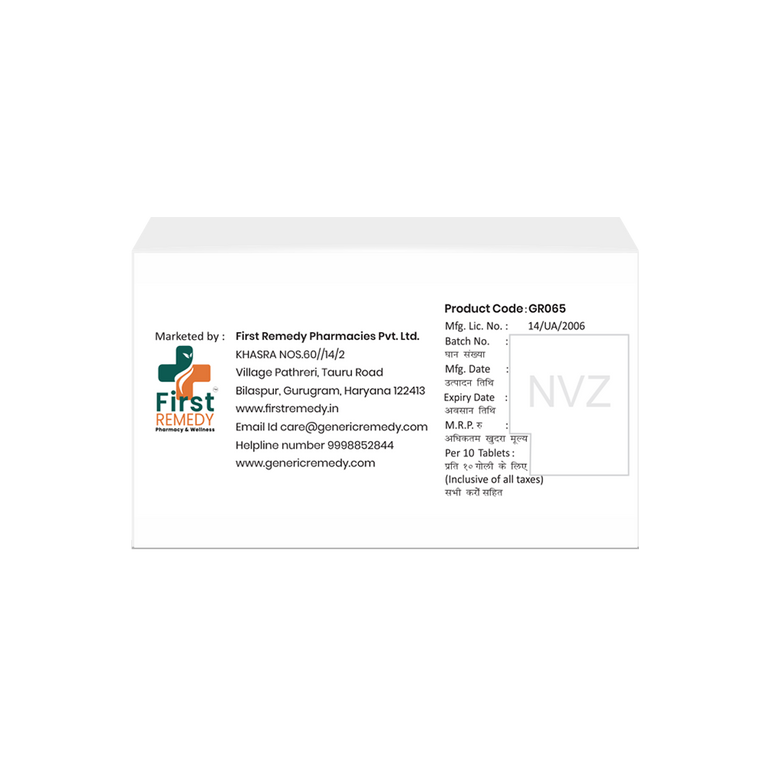
Marketed by: First Remedy Pharmacies Private Limited
The information provided on this website is for general informational purposes only and is not intended as a substitute for professional medical advice, diagnosis, or treatment. Always consult with a physician or qualified healthcare provider for any medical concerns. Never disregard professional advice or delay seeking it based on the information you read here.


 Android
 iOS
iOS