Your shopping cart
😊 Product added to cart successfully
Product removed to cart successfully



10 tablets in 1 strip
(Inclusive of all taxes)

Prescription Required
Couldn't load pickup availability
Free shipping on orders above ₹300, shipped within 2 days of your order.
Product Description
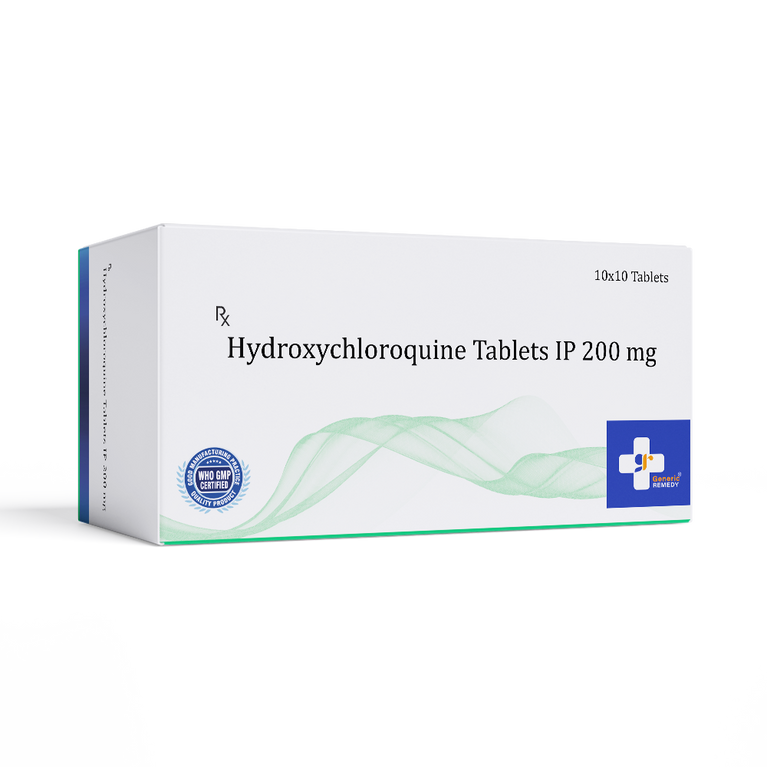
Hydroxychloroquine Tablets IP 200 mg (hydroxychloroquine sulfate) is a 4-aminoquinoline derivative related to chloroquine, with antimalarial, anti-inflammatory, and immunomodulatory properties. It is used to prevent and treat uncomplicated malaria caused by Plasmodium species sensitive to chloroquine (e.g., P. vivax, P. ovale, P. malariae, and chloroquine-sensitive P. falciparum). For autoimmune conditions, it acts as a disease-modifying antirheumatic drug (DMARD) to reduce immune overactivity in rheumatoid arthritis (RA), juvenile idiopathic arthritis (JIA), systemic lupus erythematosus (SLE), and porphyria cutanea tarda (PCT). It works by interfering with parasite metabolism in malaria and modulating immune responses in autoimmune diseases.
Uses
Prevention and treatment of malaria in chloroquine-sensitive regions
Management of rheumatoid arthritis (RA)
Treatment of juvenile idiopathic arthritis (JIA)
Control of systemic lupus erythematosus (SLE) and its flares
Treatment of porphyria cutanea tarda (PCT)
How it works
Hydroxychloroquine's mechanism varies by indication:
For Malaria: Accumulates in the parasite's food vacuole, raising pH and inhibiting heme polymerization (a process where the parasite digests hemoglobin for survival). This leads to toxic heme buildup, killing the parasite.
For Autoimmune Diseases: As a DMARD, it inhibits lysosomal acidification in immune cells, reducing antigen presentation, cytokine production (e.g., IL-1, TNF-α), and Toll-like receptor signaling. This dampens overactive immune responses, decreasing inflammation and autoantibody formation. Effects are slow-acting, often taking weeks to months.
Benefits
Reduces joint pain, swelling, and stiffness in RA and JIA by modulating immune activity.
Decreases frequency and severity of SLE flares, potentially protecting against organ damage (e.g., kidneys in lupus nephritis).
Improves skin and photosensitivity symptoms in SLE and PCT.
May lower thrombosis risk in SLE patients and improve metabolic parameters (e.g., lipid profiles, blood glucose control).
Associated with better long-term survival in SLE based on observational studies.
Effective for malaria prophylaxis and treatment in sensitive strains, with a favorable safety profile compared to chloroquine.
How to use
Take exactly as prescribed; dosage varies by condition (e.g., 200–400 mg daily for RA/SLE; 400 mg weekly for malaria prevention).
Swallow tablets whole with water, preferably with food or milk to reduce gastrointestinal upset and improve absorption. Do not crush, chew, or break due to bitter taste and potential reduced efficacy.
For chronic conditions (RA, SLE), take once or twice daily on a consistent schedule. For malaria prevention, take weekly on the same day, starting 1–2 weeks before travel and continuing 4 weeks after.
Complete the full course for malaria treatment; do not stop abruptly for autoimmune conditions, as symptoms may recur.
Regular monitoring (e.g., eye exams, blood tests) is required during long-term use.
Side Effects
Common side effects:
Gastrointestinal: nausea, vomiting, diarrhea, stomach pain, loss of appetite
Neurological: headache, dizziness, irritability, nervousness
Dermatological: rash, itching, hair loss (reversible)
Safety Advice
Undergo baseline and annual eye exams (including visual field testing) due to retinopathy risk, especially with doses >5 mg/kg/day or use >5 years.
Monitor heart function with ECG if you have a cardiac history or risk factors (e.g., QT prolongation).
Inform your doctor if pregnant, breastfeeding, or planning pregnancy (Category C; benefits often outweigh risks in autoimmune diseases, but use the lowest effective dose). Small amounts pass into breast milk; generally safe, but monitor the infant.
Avoid in patients with retinopathy, maculopathy, or hypersensitivity. Use caution with liver/kidney disease, G6PD deficiency, or psoriasis (may worsen).
Avoid alcohol and antacids (aluminum/magnesium) within 4 hours of dosing, as they reduce absorption.
Inform your doctor of all medications (e.g., digoxin, diabetes drugs) to avoid interactions. Do not self-medicate for malaria without confirmation of sensitivity.
Storage Conditions
Store at a temperature below 30°C (86°F) in a cool, dry place.
FAQs
What is the difference between hydroxychloroquine and chloroquine?
Both are antimalarials, but hydroxychloroquine has a longer half-life, better tolerability, and lower retinopathy risk, making it preferred for long-term autoimmune use.
How long does it take for hydroxychloroquine to work for autoimmune conditions?
It is slow-acting; initial improvements in RA/SLE may occur in 6–12 weeks, with full benefits up to 6 months.
Why are regular eye exams necessary?
Long-term use can cause irreversible retinopathy; baseline and annual exams (e.g., funduscopy, visual fields) allow early detection.
Can hydroxychloroquine cause heart problems?
Yes, it may prolong the QT interval or worsen heart failure. ECG monitoring is recommended for at-risk patients.
Does it affect blood sugar?
Yes, it can cause hypoglycemia, especially in diabetics. Monitor blood sugar closely and report symptoms like sweating or confusion.
Can you take antacids with hydroxychloroquine?
No, aluminum- or magnesium-containing antacids reduce absorption. Take them at least 4 hours apart.
Does it interact with other medicines?
Yes, with drugs like digoxin (increased levels), insulin/oral hypoglycemics (enhanced effects), and others. Always disclose the full medication list.
Is it safe during pregnancy or breastfeeding?
For autoimmune conditions, benefits often outweigh risks (Category C); continue at the lowest dose if needed. Safe in breastfeeding with monitoring, as minimal amounts enter milk. Consult your doctor.
 Manufacturer Name:
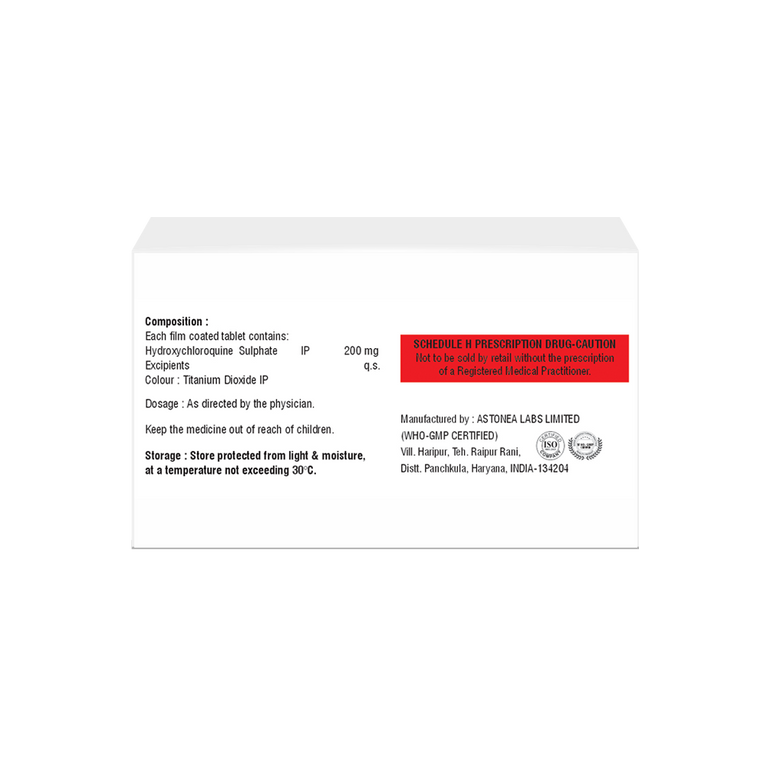
 Astonea Labs Limited
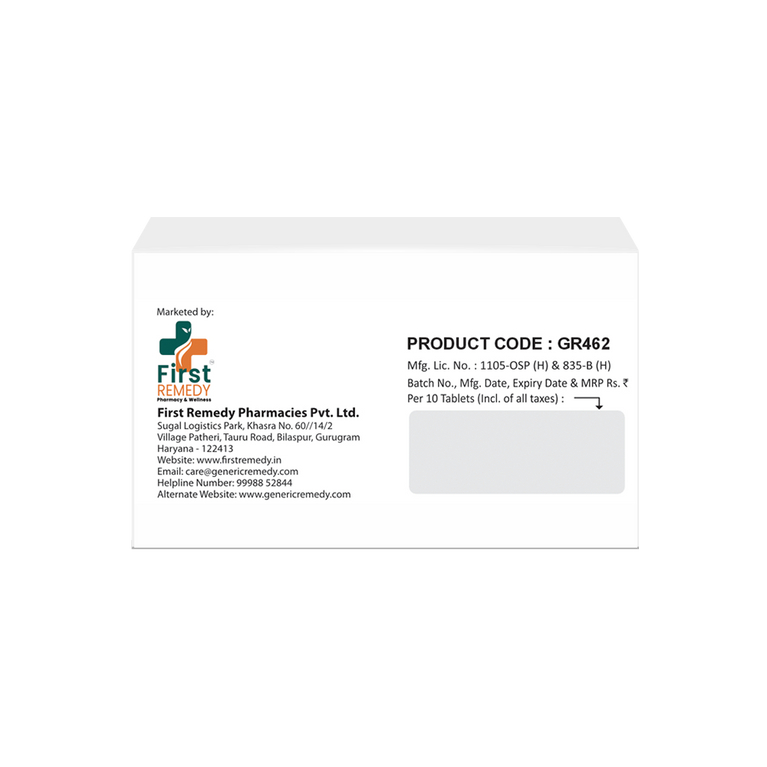
Marketed by: First Remedy Pharmacies Private Limited
The information provided on this website is for general informational purposes only and is not intended as a substitute for professional medical advice, diagnosis, or treatment. Always consult with a physician or qualified healthcare provider for any medical concerns. Never disregard professional advice or delay seeking it based on the information you read here.