Your shopping cart
😊 Product added to cart successfully
Product removed to cart successfully



10 tablets in 1 strip
(Inclusive of all taxes)

Prescription Required
Couldn't load pickup availability
Free shipping on orders above ₹300, shipped within 2 days of your order.
Product Description
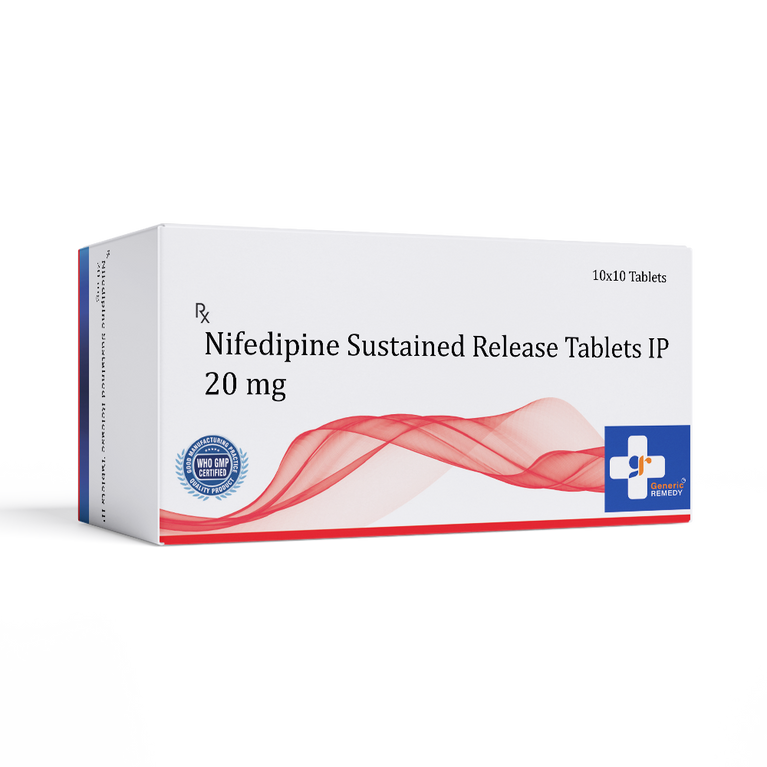
Nifedipine Sustained-Release Tablets IP 20 mg is a calcium channel blocker (CCB) used to treat hypertension (high blood pressure) and chronic stable angina (chest pain due to reduced blood flow), including Prinzmetal's (vasospastic) angina.
It relaxes blood vessels, lowers blood pressure, and reduces the heart's workload, helping prevent heart attacks, strokes, and kidney damage.
The sustained-release formulation provides 24-hour control with once-daily dosing, minimizing fluctuations.
It is not for acute angina attacks (use sublingual nitroglycerin) or hypertensive emergencies. Off-label uses include Raynaud's phenomenon (vasospasm in extremities) and preterm labor (as a tocolytic to delay delivery for fetal lung maturation or transfer, but with risks like maternal hypotension). Suitable for adults; requires prescription and BP monitoring.
Avoid it if you have cardiogenic shock, severe aortic stenosis, or hypersensitivity. Baseline BP, heart rate, and renal function assessment recommended.
Uses
Nifedipine 20 mg SR Tablets IP are indicated for:
Management of essential hypertension (as monotherapy or with other antihypertensives)
Prophylaxis of chronic stable angina pectoris (reduces frequency and severity of attacks)
Treatment of Prinzmetal's angina (coronary vasospasm)
How it works
Nifedipine 20 mg SR Tablets belong to the dihydropyridine class of CCBs, selectively blocking L-type voltage-gated calcium channels in vascular smooth muscle cells. This inhibits calcium influx, preventing actin-myosin contraction and causing vasodilation (relaxation and widening of arteries). Peripheral vasodilation reduces systemic vascular resistance and blood pressure without significant negative inotropic effects on the heart (unlike non-dihydropyridines). In angina, it increases coronary blood flow and oxygen supply while decreasing myocardial oxygen demand by lowering afterload. The SR matrix ensures a gradual release over 24 hours, providing steady-state plasma levels (with a peak at 4–6 hours and a t½ of 12–18 hours, extended).
Benefits
Nifedipine 20 mg SR Tablets effectively lower blood pressure (by 10–20 mmHg systolic in trials) and prevent angina episodes (reducing attacks by 50–70%) by dilating blood vessels, thereby easing the heart's workload and improving circulation to organs such as the heart, brain, and kidneys. The once-daily dosing enhances adherence compared to immediate-release forms, with fewer peaks (less reflex tachycardia) and better 24-hour coverage. It protects against cardiovascular events (e.g., stroke risk reduction by 30–40% in hypertensives) and is well-tolerated in monotherapy or combinations (e.g., with ACE inhibitors).
How to use
Do not break, chew, or crush the tablets or capsules, as this can affect how the medicine is absorbed. The immediate-release capsules can generally be taken with or without food. If they cause stomach upset, try taking them with food. Extended-release tablets may need to be taken on an empty stomach; check the specific instructions on your prescription. Nifedipine is sensitive to light, so take your tablet or capsule as soon as you remove it from the packaging
Side Effects
Most side effects are due to vasodilation and are dose-dependent, often improving with time or dose reduction. Common side effects (affecting 10–30% of patients) include:
Headache (initial reflex vasodilation)
Flushing (warmth/redness of skin)
Dizziness or lightheadedness (orthostatic hypotension)
Fatigue or weakness
Swelling of ankles/legs (peripheral edema from precapillary dilation)
Constipation (smooth muscle relaxation in the GI)
Less common but notable side effects:
Nausea or abdominal pain
Gingival hyperplasia (gum overgrowth with long-term use >1 year)
Safety Advice
Alcohol: Limit or avoid, as it potentiates vasodilation, increasing dizziness, hypotension, and tachycardia risks (additive effects).
Pregnancy: Category C (crosses placenta; animal studies show no teratogenicity, but human data show risks like fetal hypoxia in 2nd/3rd trimester). Avoid routine use; for severe hypertension or preterm labor (off-label tocolytic), benefits may outweigh risks under specialist care (e.g., with monitoring). Switch to safer alternatives like labetalol/methyldopa. Effective contraception is advised if applicable.
Breastfeeding: Caution—nifedipine passes into milk (up to 1–2% of dose); monitor infant for drowsiness/hypotension. Preferred alternatives like verapamil; consult a doctor.
Driving/Operating Machinery: May cause dizziness or fatigue; avoid until effects are known, especially after starting or dose changes. Rise slowly from sitting/lying to prevent falls.
Storage Conditions
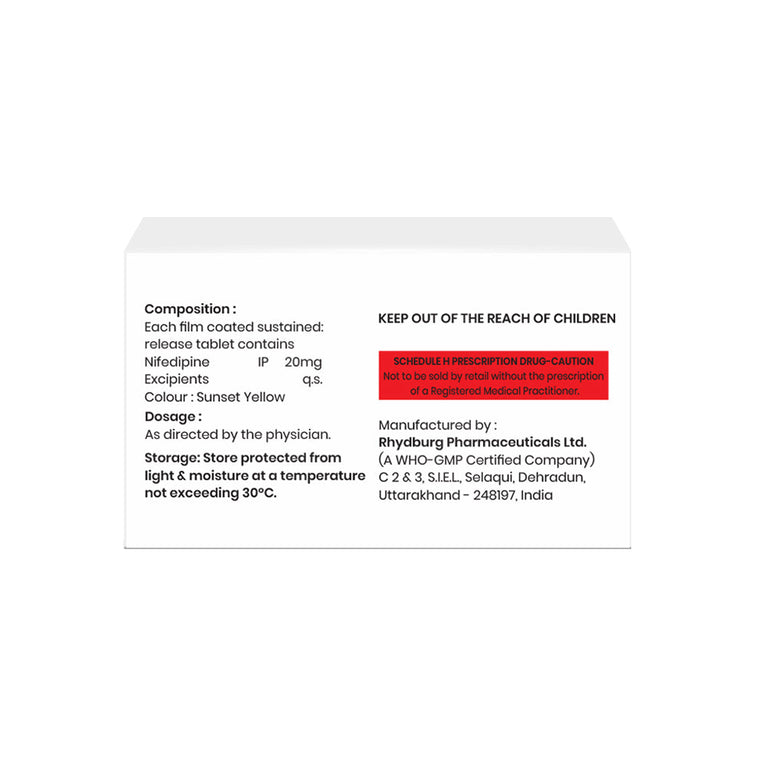
Store at a temperature below 30°C (86°F), in a cool, dry place away from direct sunlight, heat, and excessive moisture.
FAQs
What is nifedipine?
Nifedipine is a calcium channel blocker primarily used to treat high blood pressure (hypertension) and chest pain (angina).
What is nifedipine used for?
It's mainly prescribed for hypertension and angina. It can also be used for conditions such as Raynaud's phenomenon and chilblains, as well as for high-altitude pulmonary edema.
How does nifedipine work?
Nifedipine works by relaxing and widening blood vessels, which lowers blood pressure and increases the blood supply and oxygen to the heart.
Is nifedipine safe for the kidneys?
Nifedipine is generally considered safe for the kidneys, but should be used with caution in patients with renal dysfunction.
How should nifedipine be taken?
Always follow a doctor's specific instructions regarding dosage and administration.
Should nifedipine be taken with or without food?
Immediate-release capsules can typically be taken with or without food, while extended-release tablets may need to be taken on an empty stomach.
 Manufacturer Name:
 Rhydburg Pharmaceuticals Limited
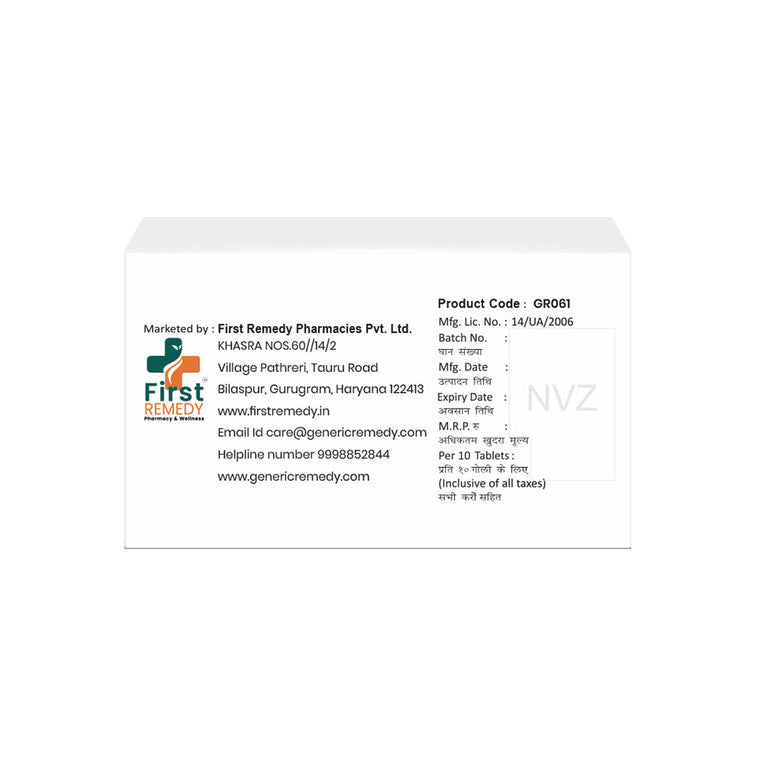
Marketed by: First Remedy Pharmacies Private Limited
The information provided on this website is for general informational purposes only and is not intended as a substitute for professional medical advice, diagnosis, or treatment. Always consult with a physician or qualified healthcare provider for any medical concerns. Never disregard professional advice or delay seeking it based on the information you read here.