
Your shopping cart
😊 Product added to cart successfully
Product removed from cart successfully
 982 people viewed recently


10 tablets in 1 strip
(Inclusive of all taxes)

Prescription Required
Couldn't load pickup availability
Free Shipping on your First Order above ₹299, Delivery within 3–5 days of your order.


Product Description
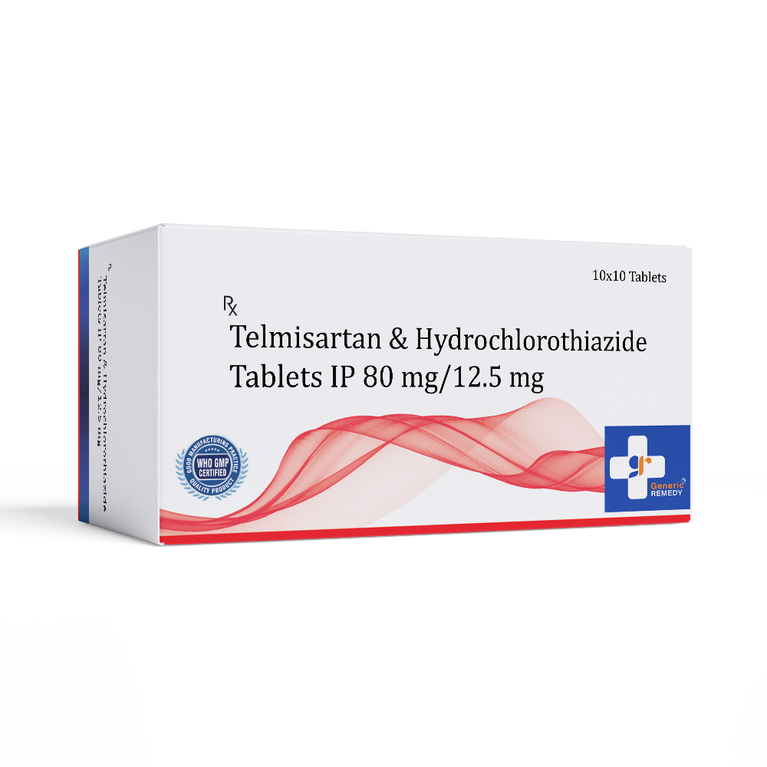
Telmisartan 80 mg and Hydrochlorothiazide 12.5 mg Tablets IP is a fixed-dose combination antihypertensive medication for the management of essential hypertension in adults. Telmisartan, an angiotensin II receptor blocker (ARB), relaxes blood vessels, while hydrochlorothiazide (HCTZ), a thiazide diuretic, reduces fluid volume.
This synergy provides superior blood pressure (BP) control compared to monotherapy, particularly for patients with stage 2 hypertension or those not responding to single agents. It lowers the risk of cardiovascular events (e.g., stroke, myocardial infarction) by 20–30% in trials like ONTARGET. Prescription-only; not for primary hyperaldosteronism or volume-depleted states.
Uses
Treatment of hypertension (essential or primary) in patients whose BP is not adequately controlled by telmisartan or HCTZ monotherapy
Reduction of cardiovascular morbidity/mortality risks (e.g., stroke, heart failure, MI) in hypertensive adults
Adjunctive therapy in mild-to-moderate hypertension, often with lifestyle modifications (diet, exercise)
Not indicated for secondary hypertension (e.g., renovascular), severe renal impairment (CrCl <30 mL/min), or as initial therapy in volume-depleted patients
How it works
This combination targets complementary pathways for BP reduction:
Telmisartan (80 mg): A non-peptide ARB that selectively blocks angiotensin II type 1 (AT1) receptors, preventing the vasoconstrictive and aldosterone-releasing effects of angiotensin II (a potent hormone that narrows blood vessels). This promotes vasodilation, reduces vascular resistance, and lowers BP (systolic/diastolic reduction ~10–15 mmHg). It also provides renoprotection by decreasing proteinuria.
Hydrochlorothiazide (12.5 mg): A thiazide diuretic that inhibits the Na+/Cl- cotransporter in the distal convoluted tubule of the kidney, increasing sodium, chloride, and water excretion. This reduces plasma volume, cardiac output, and BP (an additional 5–10 mmHg reduction), with long-term vasodilation via direct arterial effects.
Synergy: Telmisartan counters HCTZ-induced renin-angiotensin activation, minimizing compensatory tachycardia/hypotension. Onset: 1–2 hours; peak effect in 4–6 weeks with once-daily dosing.
Benefits
Superior BP control: Achieves target BP (<130/80 mmHg) in 60–70% of monotherapy non-responders (per ACCOMPLISH trial analogs), with 24-hour coverage.
Cardiovascular protection: Reduces stroke risk by 25–40%, heart failure by 20%, and overall CV events, especially in high-risk patients (e.g., diabetes, CKD).
Renal benefits: Slows progression of diabetic nephropathy (proteinuria reduction ~30%) and preserves kidney function better than monotherapy.
Convenience and tolerability: Once-daily dosing; low-dose HCTZ minimizes metabolic side effects (e.g., less hypokalemia than higher doses). Improves adherence and quality of life by reducing symptoms like headache or fatigue from uncontrolled hypertension.
How to use
Swallow the tablet whole with water to avoid breaking, crushing, or chewing the tablet. Taking it at the same time each day can help maintain stable levels in your body with or without food
Do not stop taking this medication suddenly without consulting your doctor, as this could lead to a significant increase in blood pressure. Regular monitoring of your blood pressure is important, even if you do not experience symptoms, as high blood pressure often has no noticeable signs.
Side Effects
Common side effects (usually mild and transient):
Dizziness/lightheadedness (orthostatic, especially initially), fatigue/weakness
Gastrointestinal: Nausea, diarrhea, abdominal pain
Musculoskeletal: Back pain, muscle cramps (from electrolyte shifts)
Renal: Increased urination (diuretic effect)
Less common/rare but serious side effects (seek immediate medical attention):
Hypotension (severe drop in BP, fainting)
Electrolyte imbalance: Hypokalemia (low potassium—palpitations, weakness), hyponatremia (confusion), hyperuricemia (gout flares)
Allergic: Angioedema (swelling of face/tongue), rash (HCTZ sulfa-related)
Other: Renal impairment (acute kidney injury in dehydrated), non-melanoma skin cancer (long-term HCTZ photosensitivity)
Report persistent symptoms; side effects decrease with continued use/hydration.
Safety Advice
Contraindicated in: Hypersensitivity to ARBs/sulfonamides, anuria, severe renal impairment (CrCl <30 mL/min), biliary obstructive disorders, pregnancy (Category D—fetal renal toxicity, oligohydramnios), or breastfeeding (passes into milk).
Use caution in: Mild-moderate renal/hepatic disease (monitor CrCl/LFTs), diabetes (may mask hypoglycemia), gout (hyperuricemia), glaucoma (HCTZ angle-closure risk), or systemic lupus erythematosus (SLE exacerbation). Elderly: Start low due to dehydration risk.
Pregnancy/breastfeeding: Avoid entirely—discontinue if pregnancy suspected; use alternatives like methyldopa.
Monitoring: Baseline and periodic electrolytes (K+, Na+ every 1–3 months, renal function (eGFR), BP, and uric acid. Annual skin checks for HCTZ users.
Interactions: Potentiates hypotension with other antihypertensives (e.g., ACEIs—avoid dual therapy), NSAIDs (renal risk), lithium (toxicity), or cholestyramine (reduced absorption). Avoid potassium supplements/sparing diuretics (hyperkalemia). Inform the doctor of all medications/supplements/herbs. Limit alcohol (dehydration/dizziness).
Lifestyle: Stay hydrated (2–3 L/day), low-sodium diet (<2 g/day); rise slowly from sitting. Use sunscreen (HCTZ photosensitivity).
Storage Conditions
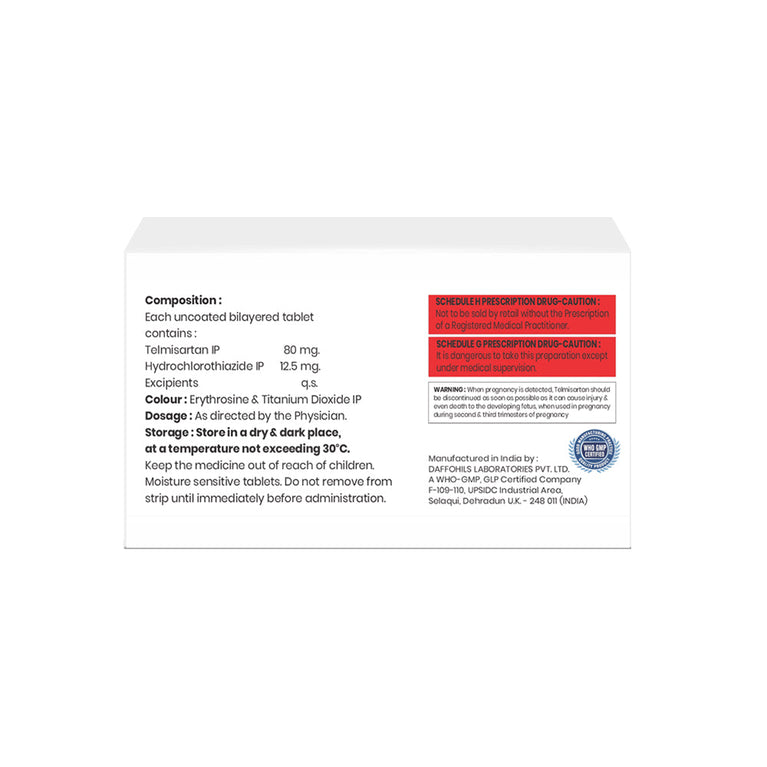
Store at a temperature below 86°F (30 °C). Protect from light and moisture.
FAQs
Does this medication cure high blood pressure?
No, this medication helps control blood pressure but does not cure the underlying condition.
How long does it take for this medication to work?
You may experience a reduction in blood pressure within a few hours, but it can take several weeks for the full effect to be achieved.
What if a dose is missed?
If a dose is missed, take it as soon as remembered. If it is close to the next dose, skip the missed one. Do not take a double dose.
Can this medication be stopped once blood pressure is controlled?
Do not stop taking the medication without consulting a doctor. Blood pressure could rise again, increasing the risk of a heart attack or stroke.
What other lifestyle changes are recommended?
Maintain a low-salt diet, exercise regularly, and manage stress. Limiting alcohol and quitting smoking can also help.
What about the risk of dehydration?
Hydrochlorothiazide can cause increased urination, potentially leading to dehydration. Drink plenty of fluids and report extreme thirst or very dry mouth to your doctor.
Can this medication cause an electrolyte imbalance?
Yes, it can affect levels of minerals like potassium. A doctor may monitor electrolyte levels regularly.
Does it increase skin cancer risk?
Long-term use of hydrochlorothiazide has been linked to a slightly increased risk of some types of non-melanoma skin cancer. Use sunscreen and protective clothing when outdoors.
Can alcohol be consumed with this medication?
Limit or avoid alcohol, as it can increase the risk of dizziness and other side effects.
 Manufacturer Name:
 Daffohils Laboratories Private Limited
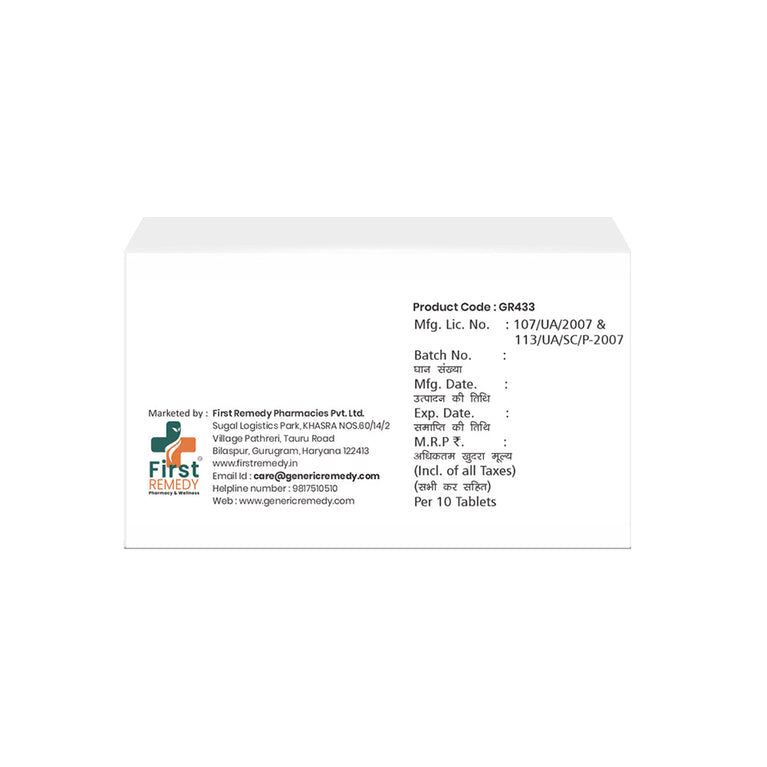
Marketed by: First Remedy Pharmacies Private Limited
The information provided on this website is for general informational purposes only and is not intended as a substitute for professional medical advice, diagnosis, or treatment. Always consult with a physician or qualified healthcare provider for any medical concerns. Never disregard professional advice or delay seeking it based on the information you read here.


 Android
 iOS
iOS