
Your shopping cart
😊 Product added to cart successfully
Product removed from cart successfully
 982 people viewed recently


10 tablets in 1 strip
(Inclusive of all taxes)

Prescription Required
Couldn't load pickup availability
Free Shipping on your First Order above ₹199, Delivery within 3–5 days of your order.



Product Description
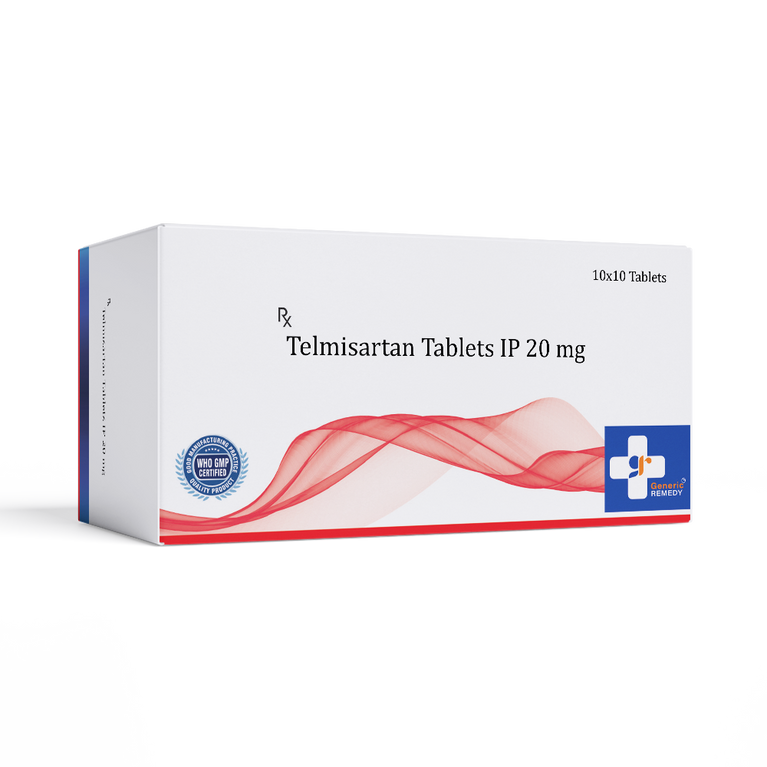
Telmisartan Tablets IP 20 mg is an oral angiotensin II receptor blocker (ARB) used primarily to treat hypertension (high blood pressure) in adults. It selectively blocks the angiotensin II type 1 (AT1) receptor, preventing the vasoconstrictive and aldosterone-releasing effects of angiotensin II, a hormone that narrows blood vessels.
This leads to vasodilation, reduced blood pressure, and decreased cardiac workload. Untreated hypertension increases the risk of stroke, heart attack, heart failure, and kidney damage.
Telmisartan also offers cardiovascular (CV) protection in patients with high CV risk (e.g., those with coronary artery disease or diabetes). The 20 mg dose is often used as initial therapy or in combination for mild hypertension.
Uses
Management of essential hypertension (alone or with other antihypertensives)
Reduction of CV morbidity and mortality in high-risk patients (e.g., those ≥55 years with target organ damage, diabetes, or prior CV events)
Adjunctive therapy in patients intolerant to ACE inhibitors (e.g., for proteinuria in diabetic nephropathy)
Not indicated for the primary prevention of heart attack/stroke in low-risk individuals or for hypotension
How it works
Telmisartan selectively antagonizes the AT1 receptor, the primary site for angiotensin II's effects:
Angiotensin II normally binds to AT1 receptors on vascular smooth muscle and adrenal glands, causing vasoconstriction, sodium retention, and aldosterone release, which elevate blood pressure.
By blocking this binding, telmisartan promotes vasodilation, reduces vascular resistance, and lowers blood pressure without affecting bradykinin (unlike ACE inhibitors, which minimize cough risk).
It also decreases sympathetic outflow and improves endothelial function, providing 24-hour BP control (half-life ~24 hours) and organ protection (e.g., kidneys, heart).
Effects on BP begin within 1–2 hours, peak at 3–6 hours, and last 24 hours.
Benefits
Effectively lowers systolic and diastolic blood pressure, reducing overall CV risk by 20–30% in clinical trials (e.g., ONTARGET study).
Provides renoprotection in diabetic nephropathy by decreasing proteinuria and slowing kidney disease progression.
Improves blood flow to vital organs, potentially preventing strokes, heart attacks, and heart failure in high-risk patients.
Once-daily dosing with long duration of action supports adherence; minimal metabolic effects (no impact on lipids or glucose).
Better tolerability than ACE inhibitors (lower incidence of cough or angioedema).
How to use
Use Telmisartan 20 mg Tablet only when prescribed by a doctor. Always take Telmisartan 20 mg Tablet exactly as your doctor told you. Your doctor will advise you how often to take your tablets based on your medical condition. Swallow the tablet with a glass of water daily, simultaneously for effective results.
Side Effects
Common side effects (usually mild and transient):
Dizziness (especially orthostatic, when standing—occurs in ~3–5%)
Headache
Upper respiratory infection (e.g., sinusitis, sore throat)
Back pain
Diarrhea, abdominal pain, nausea
Rare but serious side effects (seek immediate medical attention):
Hyperkalemia (high potassium): Symptoms include muscle weakness, irregular heartbeat
Hypotension (low blood pressure): Fainting, especially in volume-depleted patients
Kidney impairment: Reduced urine output, swelling (monitor in renal disease)
Allergic reactions: Rash, angioedema (swelling of face/lips/tongue), breathing difficulty
Other: Fatigue, flu-like symptoms, elevated liver enzymes
Report persistent or worsening symptoms; side effects decrease with continued use.
Safety Advice
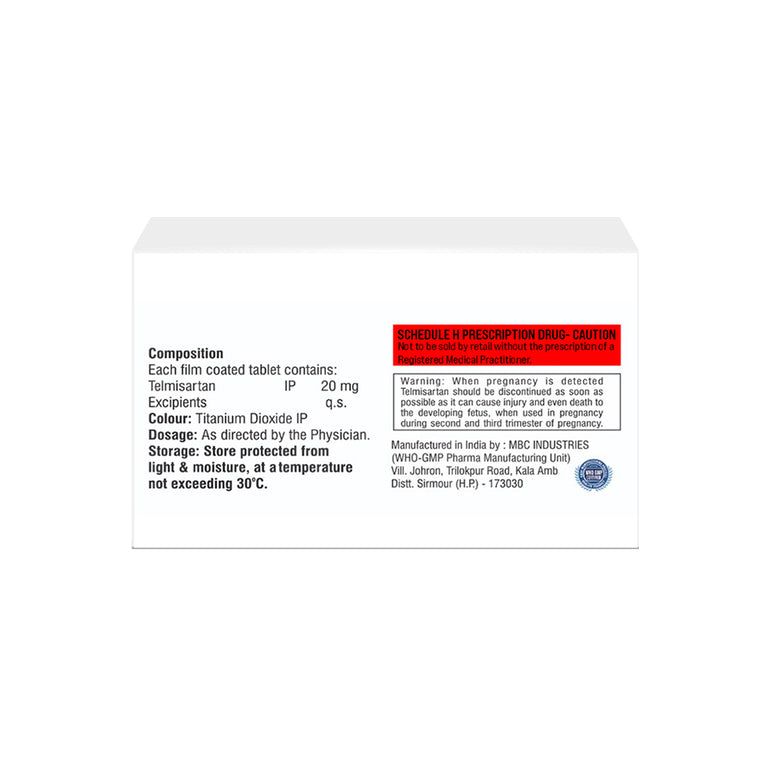
Avoid in: Hypersensitivity to ARBs, bilateral renal artery stenosis, severe hepatic impairment, or pregnancy (Category D—fetal toxicity, especially in 2nd/3rd trimesters; use effective contraception if childbearing potential).
Use caution in: Renal/hepatic disease (monitor eGFR and electrolytes), heart failure, dehydration, or elderly (start low dose). Not recommended in breastfeeding (passes into milk).
Avoid alcohol, as it may enhance hypotension and dizziness. Limit salt intake; avoid potassium supplements/salt substitutes without advice (risk of hyperkalemia).
Interactions: Increases effects of other antihypertensives; NSAIDs (e.g., ibuprofen) may reduce efficacy and worsen kidneys; potassium-sparing diuretics (e.g., spironolactone) raise hyperkalemia risk; lithium toxicity possible. Inform the doctor of all medications/supplements.
Monitor: Blood pressure, renal function (eGFR), and potassium levels periodically. Rise slowly to prevent falls from dizziness. If planning surgery, inform the anesthesiologist (may need a temporary hold).
Storage Conditions
Store at a temperature below 86°F (30 °C). Protect from light and moisture.
FAQs
What happens if a dose is missed?
If a dose is missed, it should be taken as soon as remembered. If it is almost time for the next dose, skip the missed dose and continue with the regular schedule. Do not take a double dose to make up for a missed one.
Can Telmisartan be stopped if blood pressure is controlled?
No, do not stop taking Telmisartan without consulting a doctor. Abruptly stopping the medication can cause a sudden and dangerous spike in blood pressure. Telmisartan controls blood pressure but does not cure it, so it often requires long-term or lifelong use.
What should be done if dizziness is experienced?
Dizziness or lightheadedness, especially when standing up, can occur with this medication. To minimize this, stand up slowly from a sitting or lying position. Avoid driving or operating machinery until the effects of the medication are known.
Is Telmisartan safe during pregnancy?
No, Telmisartan is not safe during pregnancy, especially in the second and third trimesters. It can cause serious harm or death to the fetus. If pregnant or planning to become pregnant, inform your doctor immediately.
Does Telmisartan affect kidney function?
Yes, Telmisartan can affect kidney function. It is used with caution in patients with pre-existing kidney disease. A doctor may monitor kidney function and potassium levels with regular blood tests.
Can alcohol be consumed with Telmisartan?
No, it is best to avoid or limit alcohol consumption while taking Telmisartan. Alcohol can increase the risk of side effects such as dizziness and a severe drop in blood pressure.
Are there any dietary restrictions while taking Telmisartan?
Limit salt intake and avoid processed foods, as they contain excess sodium. Avoid potassium supplements and salt substitutes that contain potassium, as Telmisartan can increase potassium levels in the blood.
Does Telmisartan cause weight gain?
No, Telmisartan is not known to cause weight gain. Unexplained weight gain should be reported to a doctor, as it could be a sign of kidney problems.
 Manufacturer Name:
 M.B.C Industries
Marketed by: First Remedy Pharmacies Private Limited
The information provided on this website is for general informational purposes only and is not intended as a substitute for professional medical advice, diagnosis, or treatment. Always consult with a physician or qualified healthcare provider for any medical concerns. Never disregard professional advice or delay seeking it based on the information you read here.


 Android
 iOS
iOS