
Your shopping cart
😊 Product added to cart successfully
Product removed from cart successfully
 982 people viewed recently


10 tablets in 1 strip
(Inclusive of all taxes)

Prescription Required
Couldn't load pickup availability
Free Shipping on your First Order above ₹199, Delivery within 3–5 days of your order.


Product Description
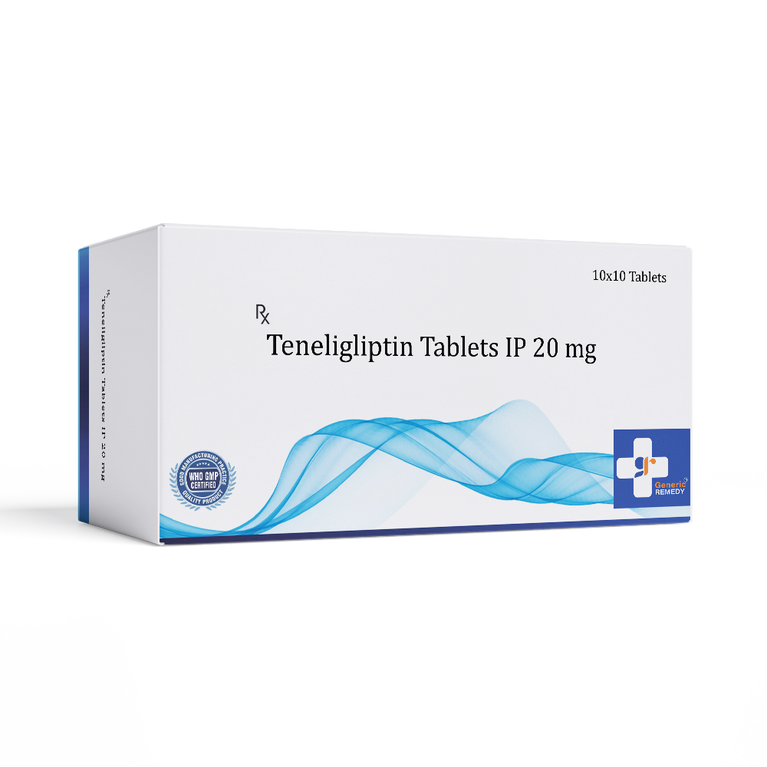
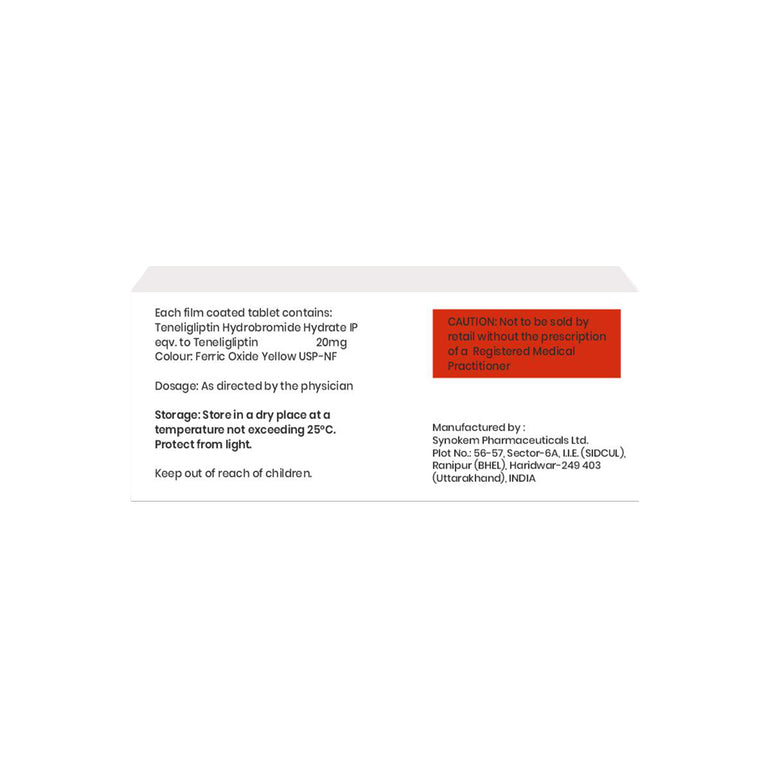
Teneligliptin 20 mg is an antidiabetic medication used to treat type 2 diabetes mellitus in adults. It is prescribed when blood sugar levels are not adequately controlled through diet and exercise alone. Teneligliptin can be used as a standalone treatment (monotherapy) or in combination with other antidiabetic drugs.
Uses
Treatment of Type 2 diabetes mellitus
How it works
Teneligliptin works by inhibiting the enzyme dipeptidyl peptidase-4 (DPP-4), which leads to improved blood sugar control. As a DPP-4 inhibitor, it prolongs the activity of incretin hormones (such as GLP-1 and GIP) in the body, enhancing insulin secretion in a glucose-dependent manner and reducing glucagon levels.
Benefits
Effective glucose control: Significantly improves blood sugar levels.
Low risk of hypoglycemia: Its glucose-dependent action reduces the risk of dangerously low blood sugar compared to some other antidiabetic medications.
Weight neutral: It is generally not associated with weight gain.
Suitable for renal impairment: It is safe for use in patients with kidney disease; however, dose adjustments may be required in severe renal impairment (e.g., eGFR <30 mL/min).
How to use
Swallow the Teneligliptin 20 mg tablet as a whole with water; do not break, chew, or crush it. Take it as directed by your doctor, typically once daily with or without food.
Side Effects
Common side effects include:
Headache
Upper respiratory tract infection or nasopharyngitis (e.g., common cold)
Gastrointestinal issues, such as constipation, nausea, or abdominal discomfort
Fatigue or feeling tired
If side effects persist or worsen, or if you experience rare but serious symptoms like pancreatitis (severe abdominal pain), allergic reactions (e.g., rash, swelling), or hypoglycemia symptoms, consult your doctor immediately.
Safety Advice
Alcohol: While direct interactions with Teneligliptin are not well-established, alcohol can affect blood sugar levels and may increase the risk of side effects. Consult your doctor before consuming alcohol.
Pregnancy: Teneligliptin is generally considered safe during pregnancy (Category B), but it should only be used if the potential benefits outweigh the risks. Consult your doctor if you are pregnant or planning to become pregnant.
Breastfeeding: It is not known if Teneligliptin passes into breast milk, so it is recommended to use caution or avoid it during breastfeeding unless advised by a doctor.
Other Precautions: Avoid driving or operating machinery if you experience dizziness or fatigue. Inform your doctor about any existing conditions, such as liver or kidney disease, and monitor your blood sugar regularly.
Storage Conditions
Store at a temperature below 86°F (30 °C). Protect from light and moisture.
FAQs
Is teneligliptin safe for long-term use?
Yes, clinical studies and post-marketing surveillance have generally found teneligliptin to be safe and effective for long-term management of type 2 diabetes. Its efficacy in reducing HbA1c levels is sustained for up to three years.
Can I use teneligliptin with other diabetes medications?
Yes, teneligliptin can be used as monotherapy or in combination with other antidiabetic drugs such as metformin, sulfonylureas, and insulin. However, combining it with insulin or sulfonylureas can increase the risk of hypoglycemia, and dose adjustments may be necessary.
Does teneligliptin cause weight gain?
No, teneligliptin is considered weight-neutral, meaning it does not cause significant weight gain or weight loss. Some studies have shown a small reduction in body weight with teneligliptin use.
Is teneligliptin safe for people with kidney problems?
Yes, teneligliptin has a dual route of excretion and typically does not require dose adjustments in patients with renal impairment, including end-stage renal disease. It is considered a safe option for these patients, but kidney function monitoring is still recommended.
What is the risk of hypoglycemia with teneligliptin?
Teneligliptin carries a low risk of causing hypoglycemia when used alone. The risk increases significantly when it is combined with other antidiabetic medications like insulin or sulfonylureas, which can cause severe hypoglycemia.
What is the risk of pancreatitis?
In rare instances, inflammation of the pancreas (pancreatitis) has been reported with DPP-4 inhibitors. If you experience severe, persistent abdominal pain, you should stop taking the medication and seek medical attention.
Does teneligliptin cause heart problems?
Teneligliptin is generally considered safe for the heart and has not been shown to cause significant cardiovascular side effects. Some evidence suggests it may even have positive effects on certain cardiovascular safety markers. However, caution is needed for patients with a history of heart conditions or those prone to QT prolongation.
What is the correct dosage?
The usual adult dosage is 20 mg once daily. If blood sugar control is insufficient, your doctor may increase the dose up to 40 mg once daily. It can be taken with or without food.
 Manufacturer Name:
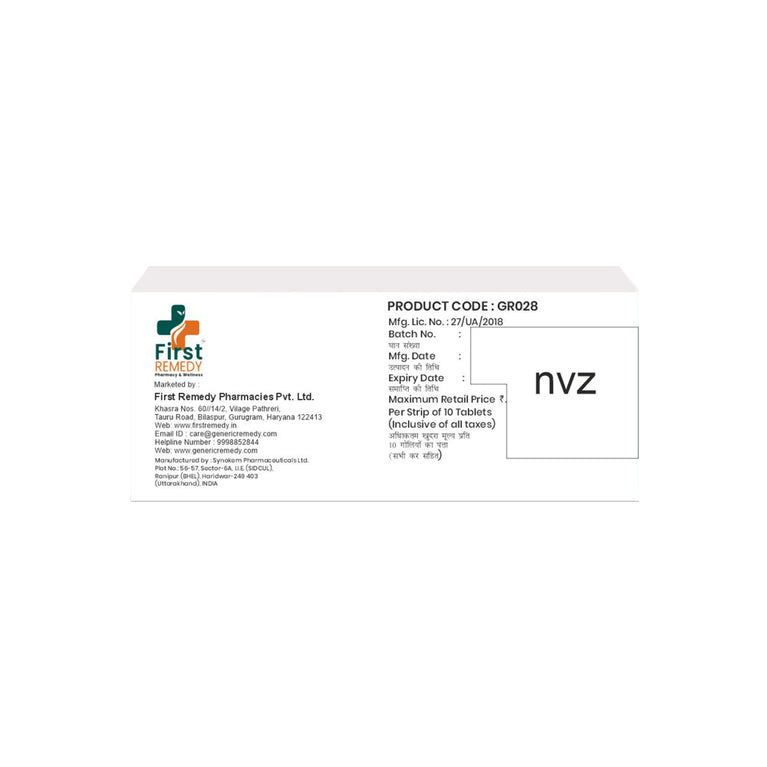
 Synokem Pharmaceuticals Limited
Marketed by: First Remedy Pharmacies Private Limited
The information provided on this website is for general informational purposes only and is not intended as a substitute for professional medical advice, diagnosis, or treatment. Always consult with a physician or qualified healthcare provider for any medical concerns. Never disregard professional advice or delay seeking it based on the information you read here.


 Android
 iOS
iOS